Online Training
Online courses from the RDPC are a perfect fit for those struggling to work training into their busy schedule. All online training is self-paced and offered at no cost. Browse our catalog of online courses below and enroll today.
- Complete Catalog
- Virtual
- WBT

AWR-144-V: Port and Vessel Security for Public Safety and Maritime Personnel
This eight-hour awareness-level course, delivered in two four-hour Zoom sessions, is designed to provide participants with the basic competencies associated […]
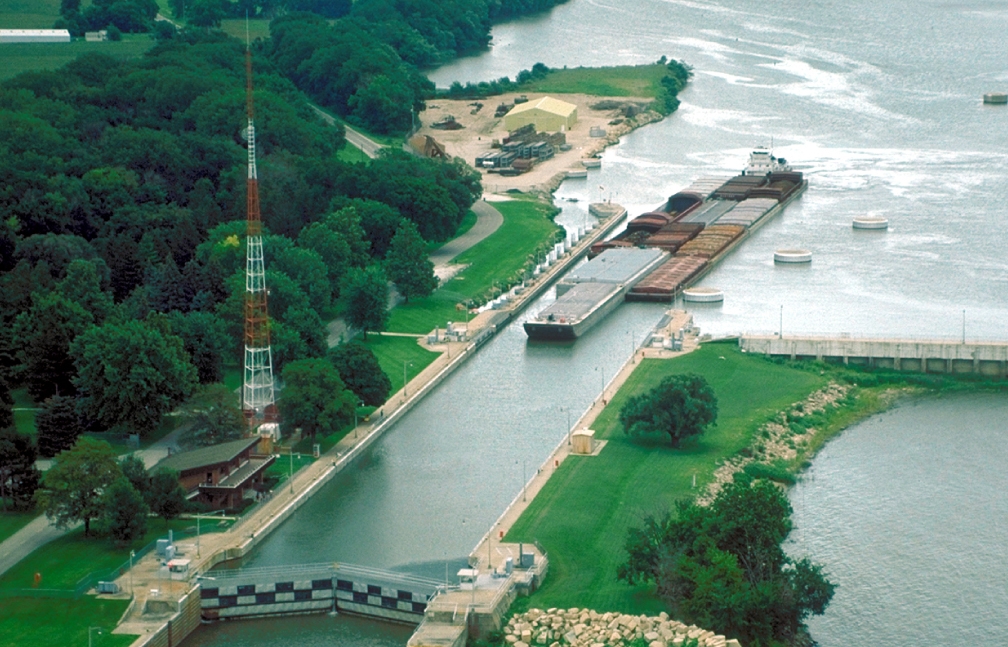
AWR-144: Port & Vessel Security for Public Safety and Maritime Personnel
This course offers an introductory view of the marine transportation system and the security requirements of maritime facilities located in rural communities. Details threats to the system, security levels, regulatory requirements, and other information designed to assist public safety responders and planners in their interface with navigable waterways.
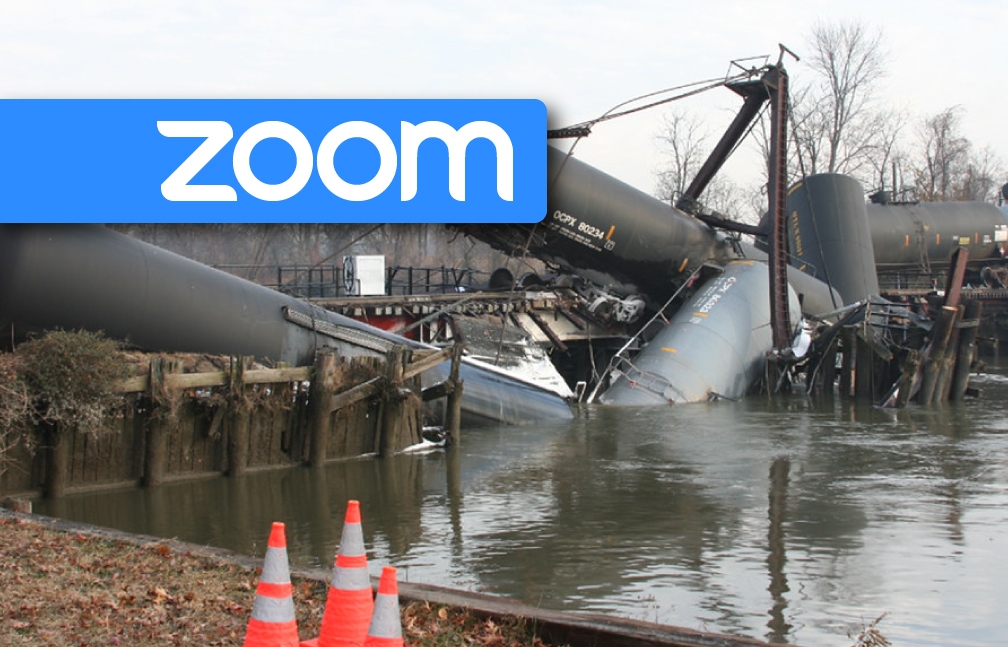
AWR-147-V: Rail Car Incident Response
This eight-hour awareness-level course is delivered in two 4-hour Zoom sessions, and is designed to increase the knowledge of first […]
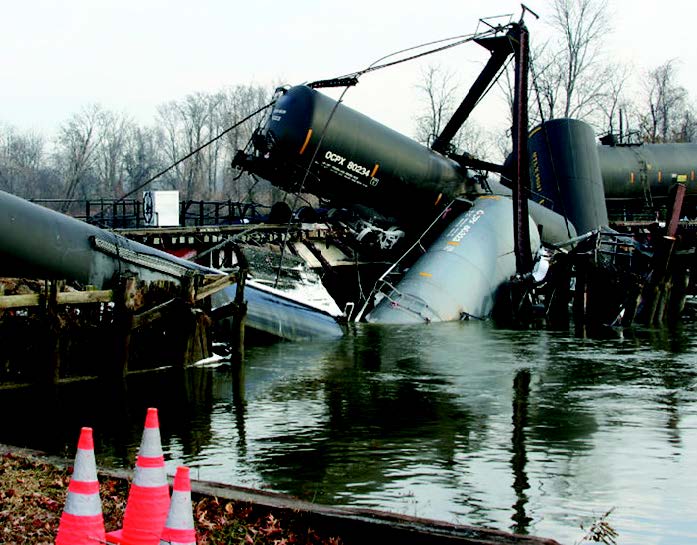
AWR-147: Rail Car Incident Response
This eight-hour awareness-level course is designed to increase the knowledge of first responders in recognizing and characterizing the different types […]

AWR-148-V: Crisis Management for School-Based Incidents: Partnering Rural Law Enforcement, First Responders and Local School Systems
This eight-hour awareness-level course is delivered in 4-hour sessions over 2 consecutive days. The course is delivered virtually with a […]
AWR-148-W: Crisis Management for School-Based Incident – Partnering Rural Law Enforcement, First Responders, and the Local School Systems
The purpose of the self-paced, web-based (5 contact hours) AWR 148: Crisis Management for School-Based Incidents-W course is to provide […]

AWR-148: Crisis Management for School-Based Incidents: Partnering Rural Law Enforcement, First Responders and Local School Systems
Educates rural law enforcement personnel as well as school administrators and staff on the elements that must be in place to effectively collaborate on planning and preparing for, responding to, and recovering from a school-based incident.
AWR-187-W: Terrorism and WMD Awareness in the Workplace
This 60-90 minute web-based “Terrorism 101” training prepares learners to successfully recognize, report, and react to potential terrorist incidents. The […]

AWR-209-V: Working with the Media: A Course for Rural First Responders
Adapted from FEMA’s IG-290 curriculum, this 8-hour course provides rural first responders with skills needed to communicate with the public […]
AWR-209-W: Working with the Media: A Course for Rural First Responders
The purpose of the self-paced, web-based (7 contact hour) AWR-209-W: Working with the Media: A Course for Rural First Responders […]

AWR-209: Working with the Media: A Course for Rural First Responders
Adapted from FEMA’s IG-290, this curriculum provides rural first responders with skills needed to communicate with the public through the media. Examines roles of the media and the rural first responder/public information officer. Participants learn how to give print/electronic media interviews, write news releases, provide information at the scene, and how they fit into the Joint Information System.

AWR-232-V: Mass Fatalities Planning & Response for Rural Communities
This 8-hour class is delivered in two four-hour Zoom sessions, over two consecutive days awareness-level. The instructor-led awareness level course […]
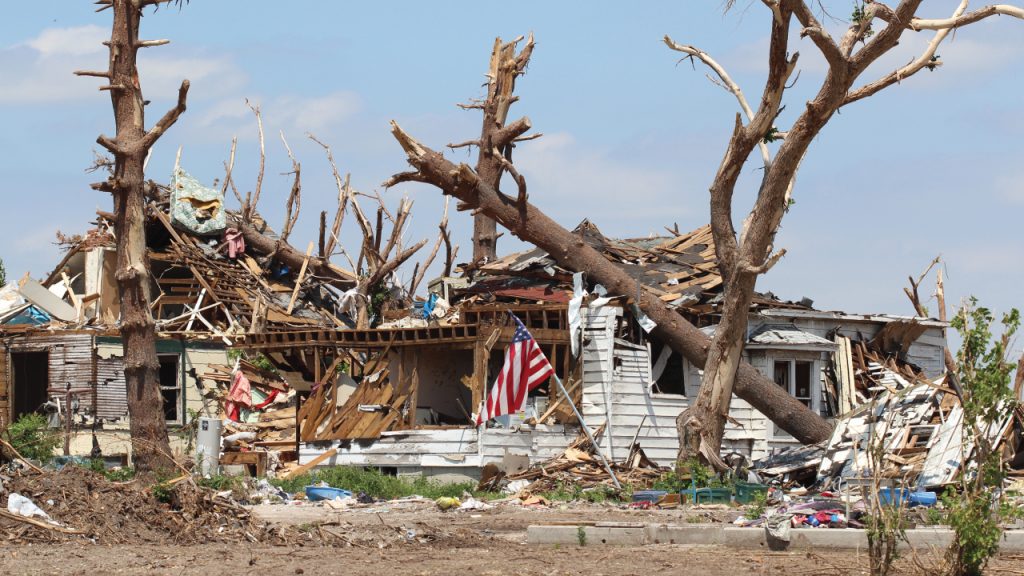
AWR-232: Mass Fatalities Planning & Response for Rural Communities
Designed to prepare first responders to manage a mass fatality incident impacting a rural jurisdiction. Issues addressed include roles and responsibilities, assets management, remains identification and processing, diversity issues, resource acquisition, and development of a plan.
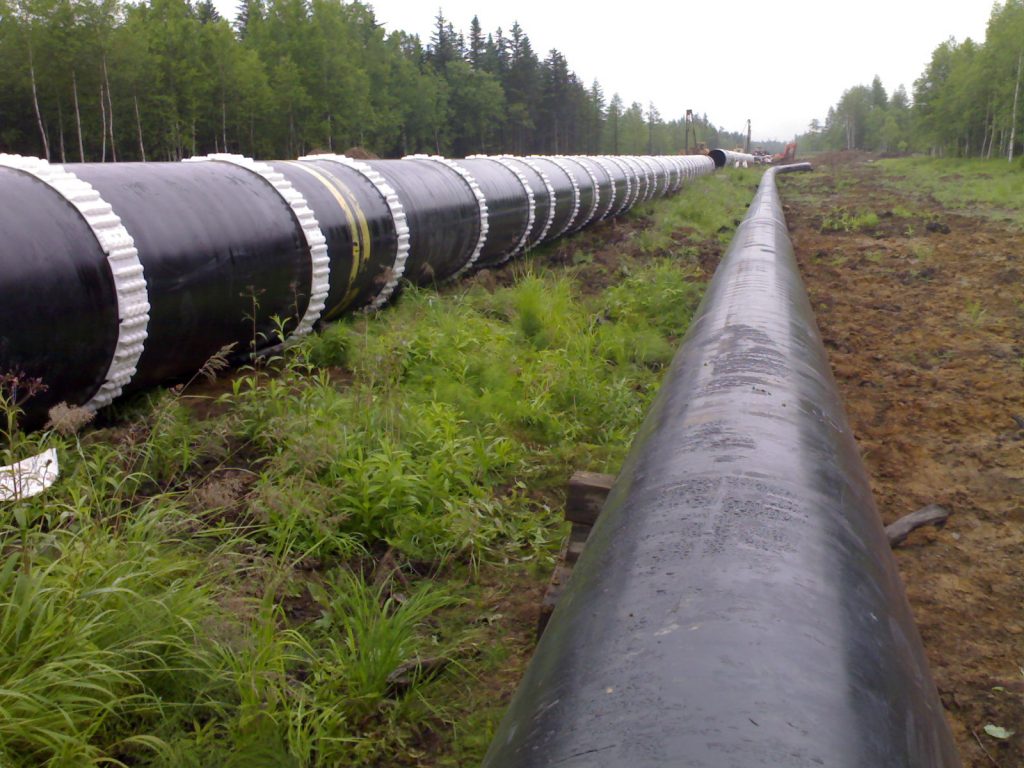
AWR-302: Pipeline Security for Rural Communities
Provides basic knowledge on the recognition of pipeline security threats and the identification of protection measures and mitigation strategies necessary to secure this critical infrastructure. Designed to bring together all rural pipeline security stakeholders in a scenario-based training environment.

AWR-311-V: Small Vessel Security for Rural Communities
Develops critical skills and increases response capabilities regarding maritime security incidents involving a small vessel. Identification of small vessel threats, mitigation strategies, community resources, and the development of regional partnerships are key topics discussed in a scenario-based training environment.
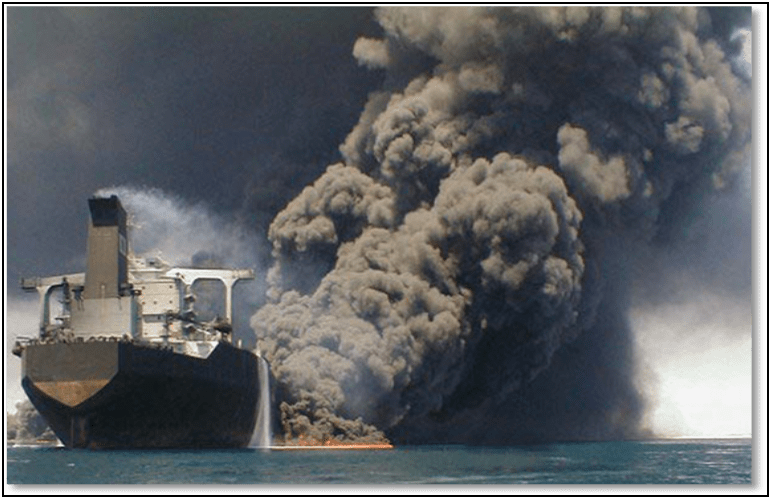
AWR-311: Small Vessel Security for Rural Communities
Develops critical skills and increases response capabilities regarding maritime security incidents involving a small vessel. Identification of small vessel threats, mitigation strategies, community resources, and the development of regional partnerships are key topics discussed in a scenario-based training environment.

AWR-328-V: All Hazards Preparedness for Animals in Disasters
This 8-hour awareness-level course is delivered in two 4-hour Zoom sessions and is designed to provide livestock producers, emergency managers, […]
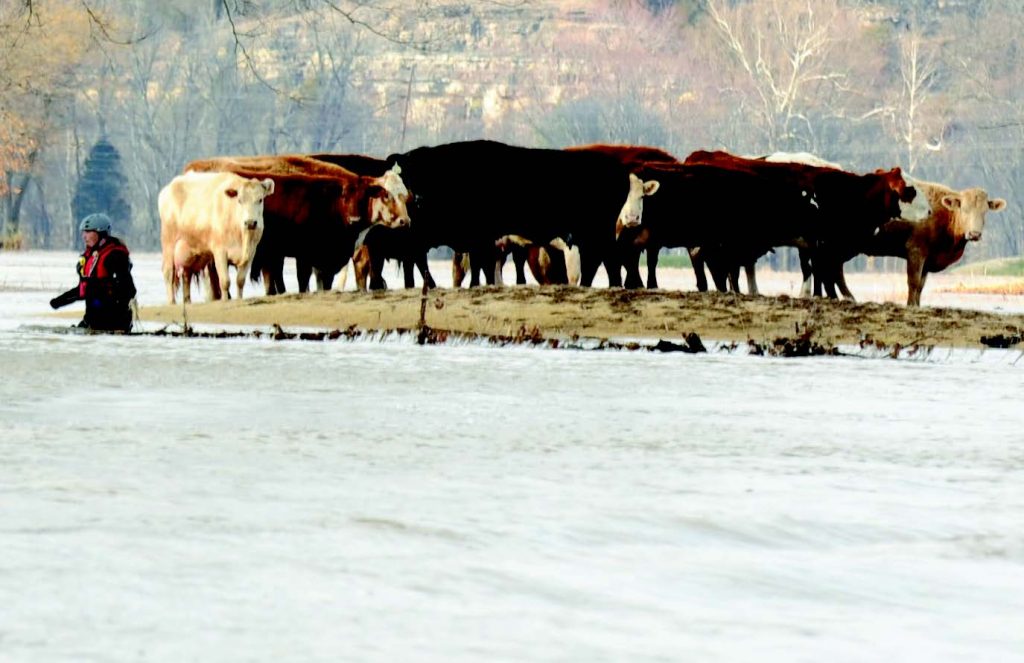
AWR-328: All Hazards Preparedness for Animals in Disasters
This course will provide livestock producers, emergency managers, veterinarians,extension agents, veterinary technicians, rural community leaders, public and human health personnel,fire […]

MGT-335-W: Event Security Planning for Public Safety Professionals
This self-paced, web-based course (16 contact hours) MGT-335-W: Event Security Planning for Public Safety Professionals course is designed to provide […]

MGT-335: Event Security Planning for Public Safety Professionals
This 16-hour, classroom-based course is designed to provide planning and management-level skills to public and private sector event security planners […]

MGT-381-V: Business Continuity Planning
This virtual training prepares small and large businesses to effectively plan for emergencies of all types. Developed by the NorthWest […]

MGT-381: Business Continuity Planning
Prepares small and large businesses to effectively plan for emergencies of all types. Developed by the NorthWest Arkansas Community College’s Institute of Corporate and Public Safety in partnership with Wal-Mart Stores, Inc., Tyson Foods, Inc., and J.B. Hunt Transport Services, Inc., as well as with public sector first responders.

MGT-383-V: Emergency Operations Plans for Rural Jurisdictions
This 8-hour planning and management-level course, is delivered in two 4-hour Zoom sessions, and is designed to provide rural first […]
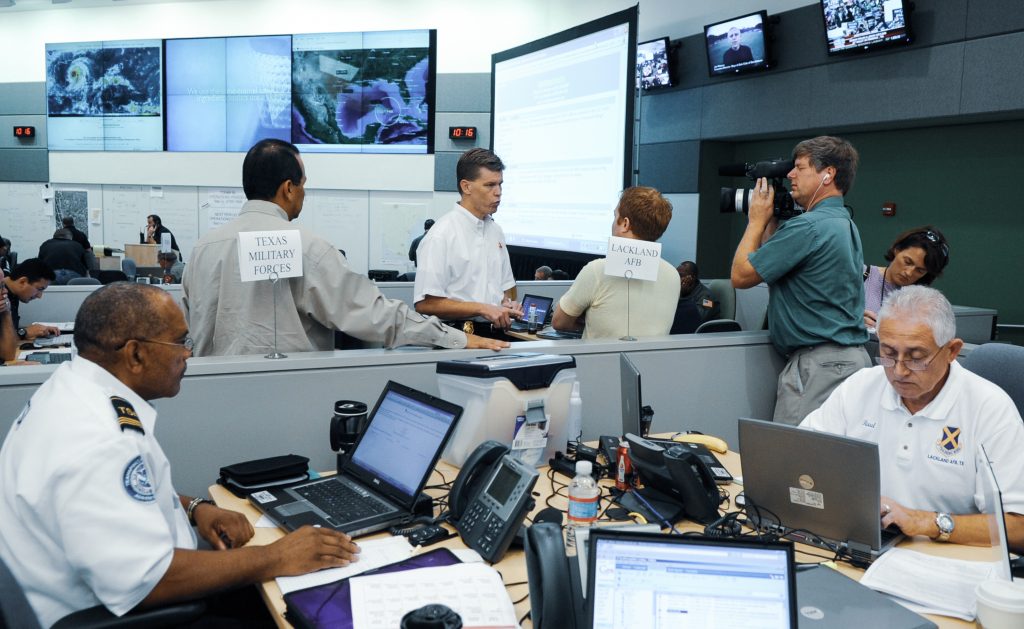
MGT-383: Emergency Operations Plans for Rural Jurisdictions
Provides rural first responders with the skills to develop an Emergency Operations Plan (EOP) for their local jurisdiction or region. Participants are provided with knowledge on the planning process, the different types of EOP formats, and the components of each. Participants engage in scenarios designed to enable them to determine the best format for their particular jurisdiction and to organize the various planning components into an EOP.

MGT-401-V: Planning and Intervention for Security Threat Groups, Hate, and Terrorist Groups in Rural Jails and Prisons
This eight-hour, management-level instructor-led course focuses on rural correctional facilities as unique environments for threat group recruitment and radicalization. The […]

MGT-401: Planning and Intervention for Security Threat Groups, Hate, and Terrorist Groups in Rural Jails and Prisons
Focuses on threat group recruitment and radicalization in correctional facilities and examines methods for strengthening information gathering and sharing. Utilizes case studies and exercises to illustrate recruitment mechanisms, define roles of various agencies, and explore practices, policies and conditions specific to rural facilities.
MGT-403-V: Underserved Populations Preparedness Planning for Rural Responders and Volunteers
This eight-hour planning and management-level course is delivered in two 4-hour Zoom sessions. The course is designed to assist in […]
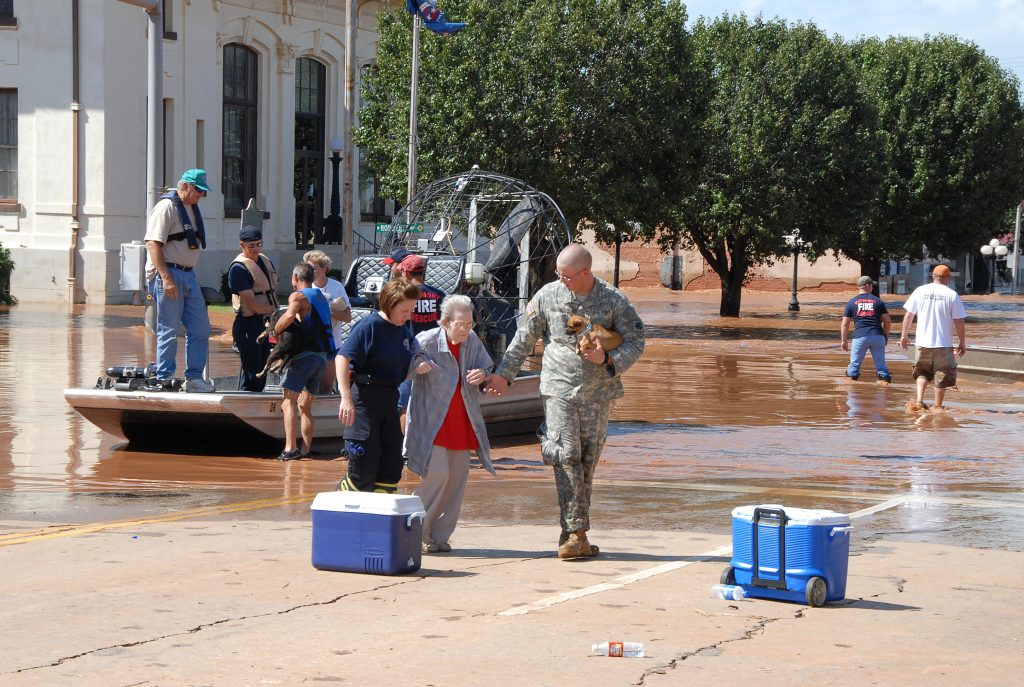
MGT-403: Underserved Populations Preparedness Planning for Rural Responders and Volunteers
Educates participants on the planning efforts needed to ensure the safety of those with functional needs, particularly those housed in assisted-living facilities and nursing homes during a crisis event. Exposes participants to the benefits of developing comprehensive emergency response plans for those most vulnerable during a crisis.

MGT-405-V: Mobilizing Faith-Based Community Organizations in Preparing for Disasters
This 8-hour, virtual, planning and management-level course trains faith-based community organization (FBCO) representatives, management-level emergency managers, and first responders from […]
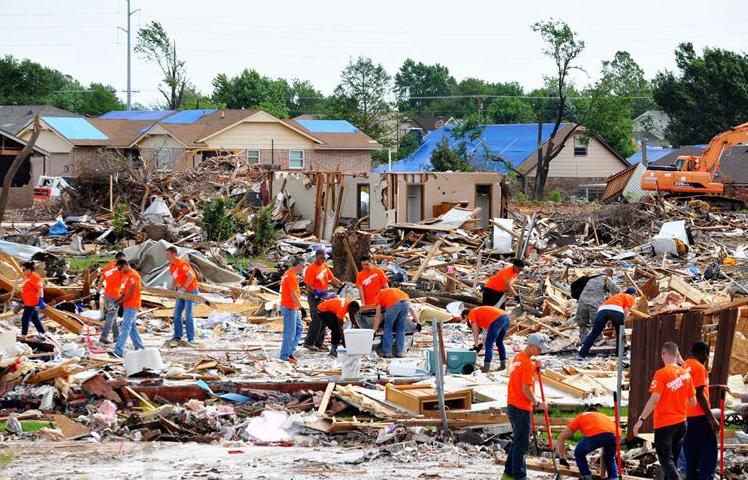
MGT-405: Mobilizing Faith-Based Community Organizations in Preparing for Disasters
Educates representatives from faith-based organizations, emergency response agencies and others to strategically mobilize and engage community organizations (religious, charitable or non-governmental) in a reciprocal approach to disaster planning. Emphasizes grassroots mobilization and
coordination in an effort to effectively reach the vulnerable populations they serve.

MGT-406-V: Community Threat Group Identification, Assessment & Information Reporting for Rural Law Enforcement Officers
This 8-hour virtual course takes a comprehensive approach to examining threat groups in rural communities, with a particular focus on […]
MGT-406: Community Threat Group Identification, Assessment & Information Reporting for Rural Law Enforcement Officers
Examines threat groups and networks that impact rural communities with a focus on gangs, hate groups, domestic and international terrorist organizations as they converge for the purposes of criminal enterprise. Discusses effective identification and reporting of activities in conformance with the Nationwide Suspicious Activity Reporting (SAR) Initiative.

MGT-415-V: Disaster Recovery in Rural Communities
This course teaches community leaders and emergency managers in rural communities how to plan for and execute disaster recovery efforts. […]
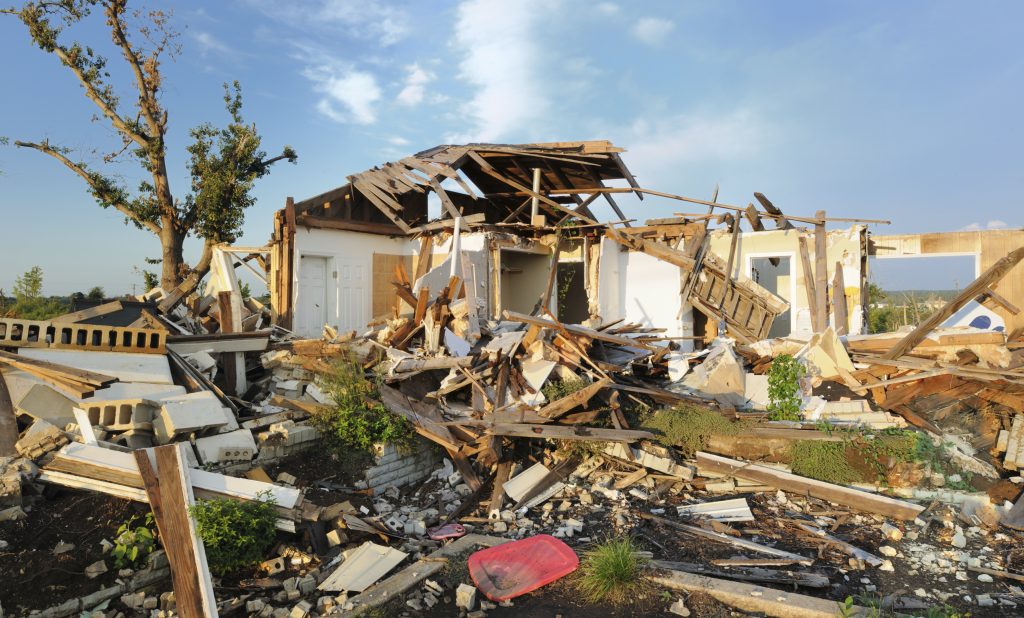
MGT-415: Disaster Recovery in Rural Communities
Educates rural community leaders and emergency managers how to develop a plan to expedite recovery efforts and facilitate the long-term economic revitalization of their communities following a disaster. Integrates the National Disaster Recovery Framework as a foundation.

MGT-416-V: Continuity of government Operations Planning for Rural Communities
Virtual training for rural communities to aid government officials and emergency responders in the development of plans to ensure the […]

MGT-416: Continuity of Government Operations Planning for Rural Communities
Planning for rural communities aids government officials and emergency responders in the development of plans to ensure the continuity of essential government functions across a spectrum of emergencies. Course focuses on succession planning, delegation of authority, redundant communications, and alternate facilities.
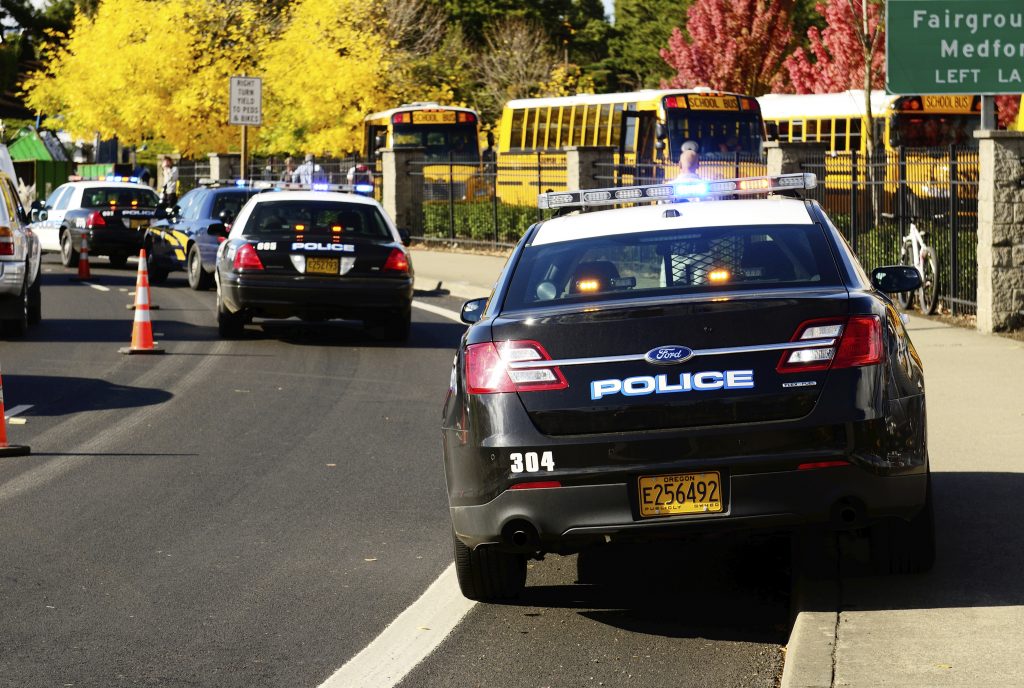
MGT-417: Crisis Management for School-Based Incidents for Key Decision Makers
Provides law enforcement, other emergency responders, school personnel, and community stakeholders the operational-level details to plan, prepare, communicate., respond, and recover from a school-based incident. This scenario-based activities allow participants to practice their
interoperable skills to ensure collaborative strategies are in place for effective crisis prevention, response, and recovery in the K-12 environment.
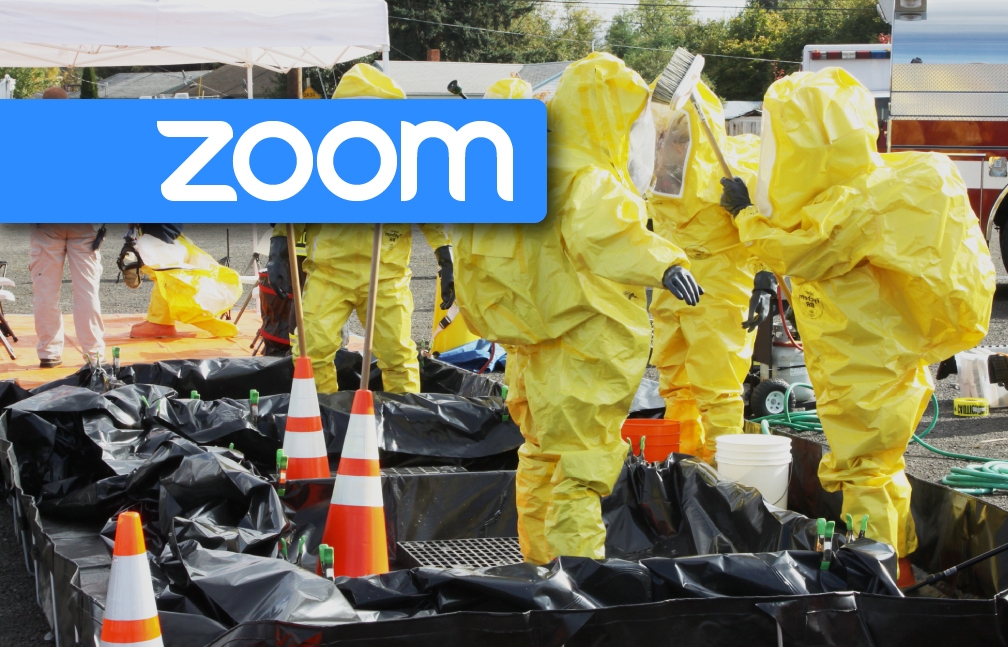
MGT-433-V: Isolation & Quarantine for Rural Communities
This 8.0-hour, virtual course is delivered in two 4-hour Zoom sessions and is designed to provide the knowledge necessary to […]
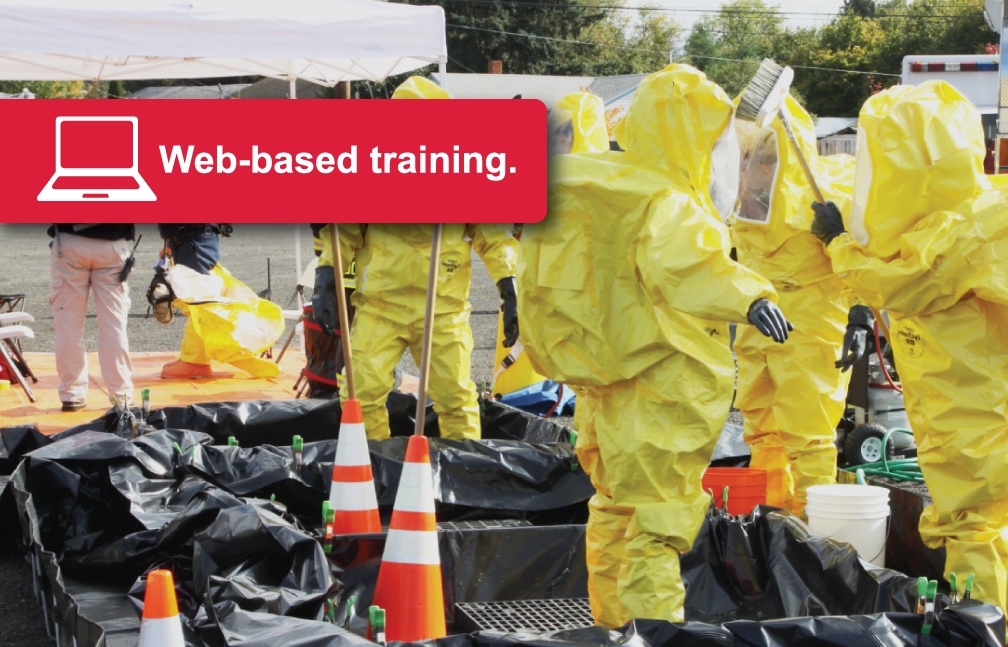
MGT-433-W: Isolation and Quarantine for Rural Communities: A Whole Community Approach (Web-based)
The self-paced, web-based (4 contact hours) MGT-433-W: Isolation and Quarantine for Rural Communities: A Whole Community Approach course provides small, […]
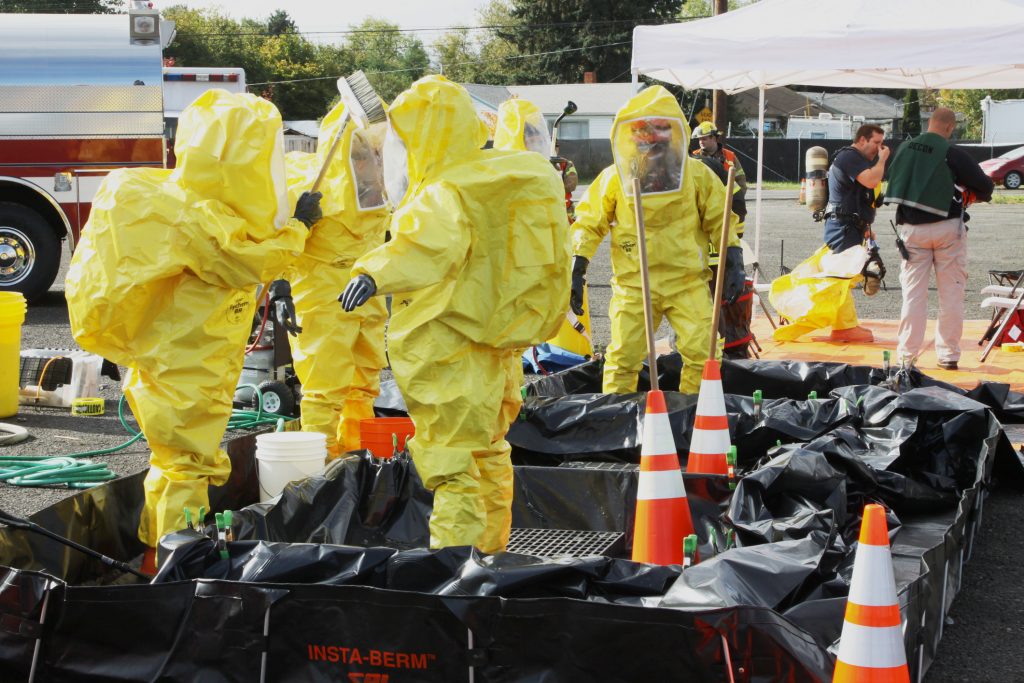
MGT-433: Isolation & Quarantine for Rural Communities
Provides emergency response management personnel with the general knowledge necessary to begin planning for situations requiring the isolation and/or quarantine (I&Q) of a large portion of a local, rural population. This instructor-led training course will provide government officials, emergency managers and team members with information on I&Q in a modern context; legal and ethical issues association with I&Q; and preparedness, planning, response, and support considerations.

MGT-448-V: All Hazards Planning for Animal, Agricultural, and Food Related Disasters
Provides background information needed to lead a multi-agency team of emergency planners in the development of an Emergency Support Functions (ESF) annex for food and/or animal related disasters to supplement their community’s existing EOP.
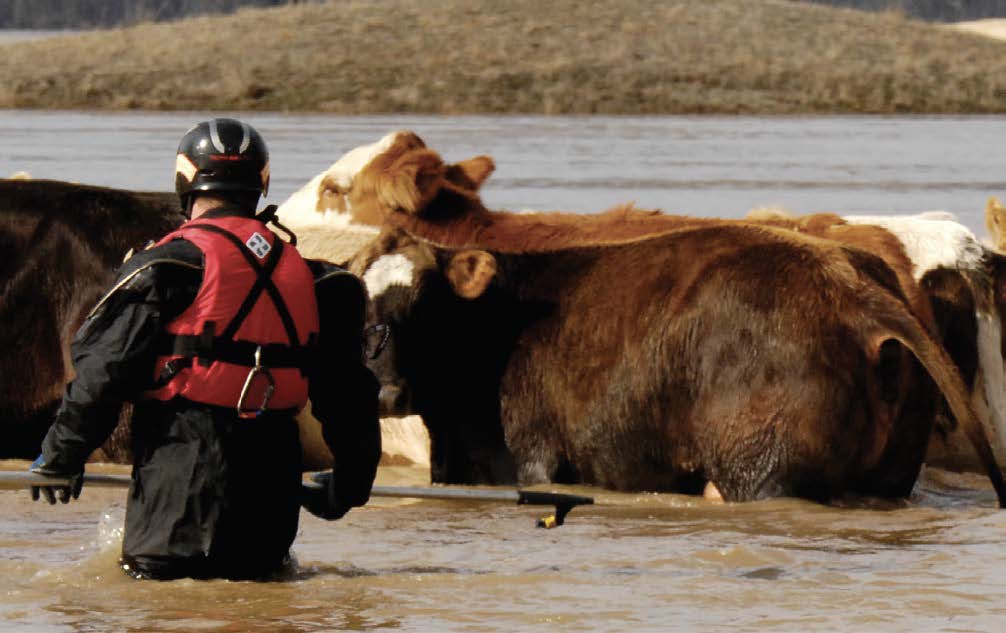
MGT-448: All Hazards Planning for Animal, Agricultural, and Food Related Disasters
Provides background information needed to lead a multi-agency team of emergency planners in the development of an Emergency Support Functions (ESF) annex for food and/or animal related disasters to supplement their community’s existing EOP.

MGT-449-V: Community Based Planning for All-Hazards Threats in Tribal Nations
This 12.0-hour, virtual course is delivered in three 4-hour Zoom sessions and the purpose of this management level, instructor-led course […]
MGT-449: Community Based Planning for All-Hazards Threats in Tribal Nations
The purpose of this course is to provide tribal nations with the knowledge, skills and abilities necessary to effectively detect, respond to, manage and mitigate all-hazard threats using a whole community approach. This includes a practical exercise designed specifically to meet the needs of tribal communities.
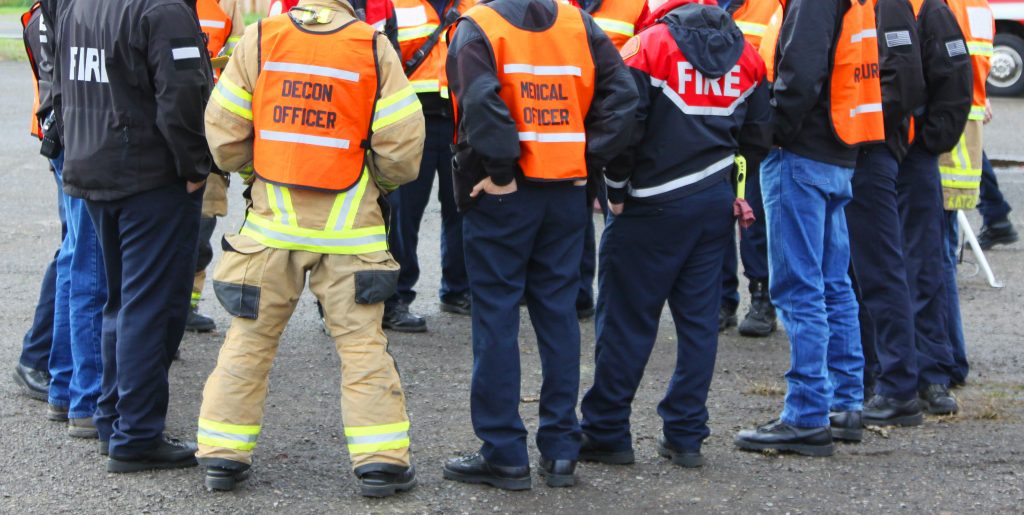
PER-294: Testing an Emergency Operations Plan in a Rural EOC
Designed to test a community’s emergency operations plan in an Emergency Operations Center (EOC) environment.
provides relevant training to elected officials, EOC personnel, and rural community leaders from public and private sector entities. Features a performance-oriented exercise designed to replicate the function of the EOC during a simulated emergency.

PER-333-V: Isolation and Quarantine Response Strategies in the Event of a Biological Disease Outbreak in Tribal Nations
This 16.0-hour, virtual course is delivered in four 4-hour Zoom sessions and the purpose of this performance level course is […]
PER-333: Isolation and Quarantine Response Strategies in the Event of a Biological Disease Outbreak in Tribal Nations
The purpose of this course is to provide tribal nations with the knowledge, skills and abilities necessary to effectively detect, respond to, and mitigate a disease outbreak, using a whole community approach. The course includes a practical exercise that will be designed specifically to meet the needs of the tribal communities.